Ceramic Coating

Ceramic Coating Maintenance: A Year-Round Care Schedule for New Hampshire Drivers

What to do every wash, every month, every season, and once a year so your coating is still doing its job in year five — not just the week it left the shop.

↓

Most of the coating questions we hear at our Derry shop don't come on the day the car is coated. They come six months later. Why isn't it beading like it used to? Can I take it through the car wash? Am I supposed to put something on it?

Those are all maintenance questions, and they have simple answers. A ceramic coating isn't maintenance-free, but the maintenance is lighter than most people expect: a regular gentle wash, an occasional spray top-up, a deeper clean a few times a year, and one professional check-up. What changes is the timing, because a New Hampshire year throws something different at the paint every season — pollen in May, bugs and sap in July, wet leaves in October, and brine from November into March.

This guide puts all of it on one calendar, so you know exactly what to do and when.

The Schedule at a Glance

  • First week: no soap washes and no automatic washes while the coating cures. Rinse gently only if you have to.
  • Every one to two weeks: a hand wash with a pH-neutral car shampoo, then dry the car completely.
  • Every one to three months: a coating-safe silica spray topper after a wash.
  • Three or four times a year: an iron and fallout decontamination to clear what washing leaves behind.
  • Once a year: a professional inspection — often a condition of the coating warranty.
  • Never: brush tunnel washes, wax on top of the coating, dish soap, or polishing “just because.”
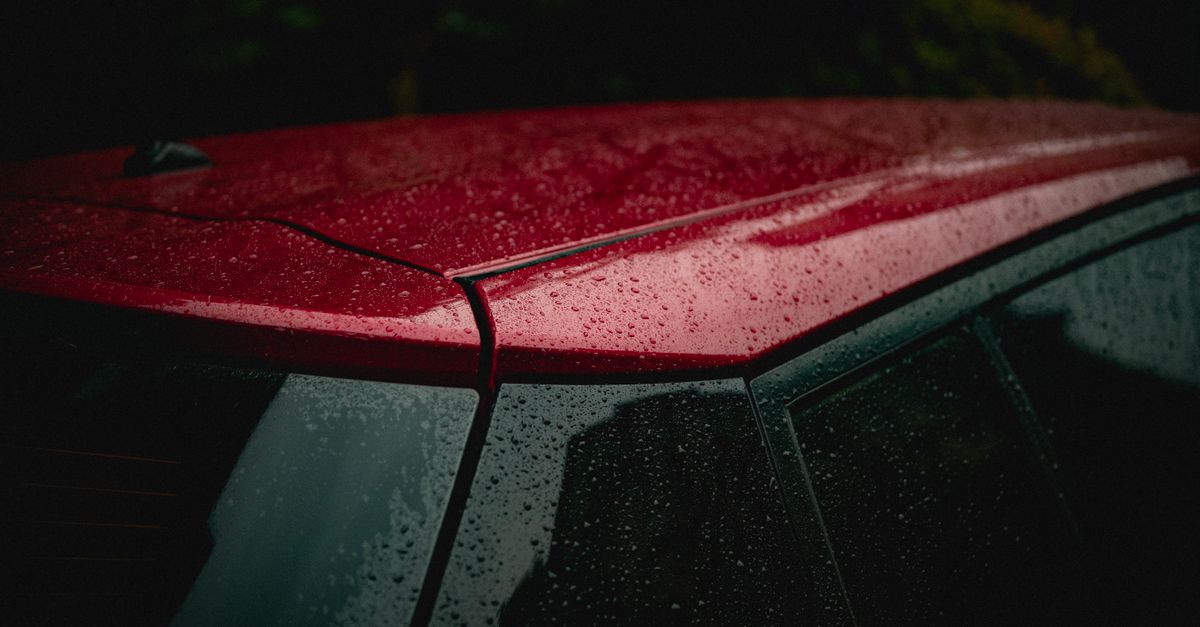
Raindrops beaded across the glossy red roof of a car above its rain-covered side windows

Four Terms Worth Knowing First

Coating care comes with its own vocabulary. Here's what the words on product labels and care sheets actually mean:

  • Curing is the coating hardening after it's applied. It feels dry within hours, but it keeps bonding and hardening for days to weeks, which is why the first month has its own rules.
  • pH-neutral describes a soap that is neither acidic nor strongly alkaline. Harsh cleaners at either end of the scale wear down a coating faster; pH-neutral shampoo cleans without attacking it.
  • Topper (you'll also see “SiO2 spray” or “silica spray”) is a thin spray-on layer that sits on top of the coating and restores slickness. It's a top-up, not a new coating.
  • Decontamination means removing contamination that has bonded to the surface — tiny iron particles from brake dust, tar, and mineral deposits — that a normal wash can't lift. It's usually done with a spray that dissolves the iron and rinses away.

The First 30 Days: Let It Cure

A fresh coating is at its most vulnerable while it's still hardening. The exact timeline depends on the product and the temperature — coatings cure more slowly in cold, damp air — so your installer's care sheet always wins. In general, this is how to treat a newly coated car:

  1. Keep it dry for the first day or two if you can. If it does get rained on, don't panic. Blot any spots gently with a clean, soft microfiber once the rain stops.
  2. Wait about a week before the first soap wash. Dust and pollen can be rinsed off with plain water in the meantime. Don't scrub.
  3. Get bird droppings and bugs off the same day. A curing coating is more easily etched than a fully hardened one. Soak the spot with water or a quick detailer for a minute, then lift it off with a soft microfiber instead of wiping it across the paint.
  4. Skip automatic washes, toppers, and wax for the first few weeks. Strong wash chemicals and extra products can interfere with a coating that's still bonding.
  5. Park in a garage when it's available, especially overnight during the first week. It keeps dew, sap, and droppings off while the coating is softest.
Coated in the Fall?

Late-season coatings are completely normal, and fall is a smart time to protect paint before salt season. Just plan for the slower cure in cold weather: garage the car when you can for the first week, and keep it out of salt-heavy slush until the installer tells you the coating is ready. The initial cure is one reason we apply coatings inside our climate-controlled shop rather than in a driveway.

The Routine: Four Levels of Ceramic Coating Maintenance

Once the coating has cured, maintenance falls into four levels. The first you'll do often, the last only once a year.

Level 1: The regular wash (every one to two weeks)

This is the part that matters most. Use two buckets — one with pH-neutral shampoo, one with plain water to rinse your mitt — and a soft microfiber wash mitt. Rinse the car thoroughly first, wash from the roof down, leave the dirtiest lower panels for last, and dry the whole car with a plush towel or a blower so beads don't dry into spots. Wheels get their own bucket and brush.

A coated car is noticeably easier to wash than bare paint — dirt releases faster and water sheets off — so this usually goes quicker than you'd think. Wash more often in salt season and heavy pollen weeks, and a little less often in a dry, mild stretch. For the full step-by-step, including what to do with wet leaves and rain spots, see our guide to washing a ceramic-coated car through leaf and rain season.

Level 2: The topper (every one to three months)

A topper adds a thin, sacrificial layer on top of the coating. It takes the daily abuse so the coating underneath doesn't, and it brings back that slick, tight-beading feel. Mist it onto a clean, dry, cool panel, spread it with one microfiber, and buff it off with a second. More product is not better; a light, even coat is the goal.

Choose a coating-safe silica topper, ideally the maintenance product your installer recommends. Skip wax: it sits on top of the coating, hides the coating's own water behavior, and wears off within weeks.

Level 3: Decontamination (three or four times a year)

Even with perfect washing, some contamination bonds to the surface: iron particles from brake dust, tar on the lower panels, and minerals from rain and sprinkler water. When the beading looks tired right after a proper wash, that's usually the reason. The fix is an iron remover sprayed on after a wash — it often turns purple as it dissolves the iron — followed by a thorough rinse, plus a tar remover on the lower panels and a coating-safe water-spot remover where needed. Finish with a topper.

Clay bars and polish aren't part of routine coating maintenance. They can mar or remove coating, so save them for when something specific calls for them, and let someone who knows your coating decide.

Level 4: The annual inspection (once a year)

Once a year, have the coating looked at under proper lighting. An inspection checks the panels that wear first — hood, roof, and the lower doors — for thinning, etching, water-spot rings, and early scratches, and decides whether a maintenance layer is due. Professional coating warranties, including the System X coatings we install, depend on proper maintenance, which often includes that yearly check. Our 10-year ceramic coating package includes an annual inspection.

Task How often Typical time Who does it
Hand wash and dry Every 1–2 weeks; weekly in salt season when temperatures allow 45–75 minutes You, or a coating-safe maintenance wash
Silica spray topper Every 1–3 months 15–20 minutes after a wash You, or a maintenance treatment
Decontamination 3–4 times a year 30–45 minutes on top of a wash You, or the shop
Coating inspection Once a year A short visit A professional installer

A Season-by-Season Calendar for New Hampshire

The routine stays the same all year. What changes is what you're up against, and when to schedule the deeper work.

Spring (March to May): Undo the winter

  • First mild day in March or April: a thorough wash with extra time on the lower panels, wheel wells, and a rinse underneath to clear the last of the salt and brine film.
  • Right after that: your most important decontamination of the year, followed by a topper. Winter leaves more bonded grime than any other season.
  • Late April into May: pollen season. That yellow film is fine and slightly gritty, so rinse it off before you touch the paint and never dry-wipe it. Weekly washes help during the worst of it.
  • Book the annual inspection now, while the paint is freshly cleaned and before the summer calendar fills up.

Summer (June to August): Beat the etching clock

  • Bugs, tree sap, and bird droppings are the big risks, and heat makes them etch faster. Get them off within a day or two. A small bottle of coating-safe quick detailer and a clean microfiber in the trunk makes that easy.
  • Wash early in the morning or in the evening, never on a hot panel in direct sun. Shampoo and topper dry too fast and leave spots.
  • After a beach day at Hampton or Salisbury, rinse the salty air and sand off before the next wash, not after it.
  • Midsummer decontamination clears the brake dust and bug residue that build up on long road-trip miles.

Fall (September to November): Keep it clean going into brine

  • Wet leaves and weeks of rain leave a film that makes a healthy coating stop beading. It's usually buried, not worn. Wash every one to two weeks and lift wet leaves off within a day or two.
  • Late October or early November: the pre-winter decontamination and topper, done on a mild afternoon. Brine often goes down before the first real snow, so don't wait for the forecast.

Winter (December to February): Rinse the salt, protect the paint

  • A coating makes salt easier to remove, not harmless. Aim for a wash every one to two weeks when it's above freezing, ideally midday. When it's too cold to hand wash, a touchless rinse is a reasonable short-term fallback — just don't make it the weekly habit.
  • Rinse underneath. The coating on your paint does nothing for the undercarriage, wheel wells, or brake parts.
  • Clear snow with a foam-head snow broom, pushing rather than dragging, and leave the last thin layer to melt. Stiff bristle brushes and ice scrapers belong on glass, never on paint.

Storing the car for winter

Plenty of drivers in southern New Hampshire and the Merrimack Valley park a summer car from November to April. A coating helps it come out looking right, as long as it goes in clean:

  1. Wash, decontaminate, and top the car before storage, so nothing sits on the finish for five months.
  2. Dry it completely, including door jambs, mirrors, and around the trunk seals.
  3. Use a soft, breathable car cover, and only on a clean car. A plastic tarp traps moisture, and a cover over a dusty car rubs that dust into the finish every time it shifts.
  4. In spring, wash before the first drive rather than after. Stored cars collect dust, and that first dry wipe does the damage.

The Home Maintenance Kit (and What to Skip)

You don't need a shelf full of products. This covers everything above:

  • Two buckets, ideally with grit guards in the bottom to trap the dirt you rinse off the mitt.
  • A pH-neutral car shampoo with no wax or gloss additives. Coating-specific shampoos are a good choice.
  • Two soft microfiber wash mitts, so one can be in the wash while the other is in use.
  • A separate wheel bucket and brush that never touch the paint.
  • A large, plush drying towel or a leaf blower for drying.
  • A coating-safe silica topper and a stack of clean microfiber towels to apply and buff it.
  • An iron remover for the seasonal decontamination.
  • A coating-safe quick detailer for bird droppings and bugs between washes.

Bought once, a decent kit usually runs somewhere around $100 to $200 at retail, and the buckets, mitts, and towels last for years. The shampoo, topper, and iron remover are the only things you'll rebuy regularly.

Leave these out: “wash and wax” soaps, dish soap and household degreasers, carnauba wax, all-in-one “cleaner wax” polishes, and brush or soft-cloth tunnel washes. Each one either scratches the coating, strips it, or covers it with something weaker.

What Maintenance Really Costs: Time, Money, and Trade-Offs

It's worth being honest about the ongoing commitment before you buy a coating, not after.

Time

Most coated-car owners spend under an hour on a regular wash, plus a longer session three or four times a year for decontamination. That's less time than keeping uncoated paint looking the same, because dirt releases so much more easily.

Money

Doing it yourself, the ongoing cost is mostly shampoo, topper, and iron remover. If you'd rather hand it off, you're paying for maintenance washes, seasonal decontamination, and the annual inspection — either as you go or through a plan.

What Skipping Costs

A neglected coating doesn't disappear overnight, but it looks tired sooner, wears faster on the hood and roof, and can put warranty coverage at risk. The protection you paid for depends on the upkeep.

If you'd rather not be the one in the driveway with two buckets, our Avid Club Reserve Ceramic plan was built for coated cars: coating-safe maintenance, quarterly Hydro-Boost treatments to support gloss and water behavior, and the annual coating inspection. Either way works. What matters is that someone keeps the coating clean.

Honest Answers to the Big Ceramic Coating Questions

Maintenance is usually the missing piece when people ask whether a coating is a good idea. Here are the four questions we hear most, answered with upkeep in mind.

Is ceramic coating a car really worth it?

For a car you plan to keep for a few years, drive through New Hampshire winters, and are willing to wash regularly, it usually is. A coating guards the clear coat against UV fade, road salt, bird droppings, and chemical etching; it makes every wash faster; and it keeps the paint looking newer, which helps when it's time to sell or trade in. It's a weaker investment if you're selling the car within a year, or if the car realistically won't get washed — a neglected coated car ends up looking like any other neglected car. We dig into the hype versus the reality in our ceramic coating reality check.

Is ceramic coating good for cars?

Yes. A properly applied professional coating bonds to the clear coat and adds a hard, slick, chemical-resistant layer on top of it; it doesn't harm the paint. The problems people run into come from the work around it: coating over swirled or contaminated paint seals those flaws in, and poor application can leave streaky “high spots.” That's why the prep matters as much as the product — our checklist of what happens before a ceramic coating goes on walks through it.

What are the negatives of ceramic coating?

  • Higher up-front cost than wax or a sealant, because the price includes decontamination and paint correction, not just the coating.
  • It won't stop rock chips or deep scratches. That's the job of paint protection film, which many owners put on the front of the car and coat over.
  • It still needs washing. Easier and less often than bare paint, but not never.
  • Water spots can still happen if beads dry in the sun or you're using hard well water, which is common in parts of southern New Hampshire.
  • Fixes aren't a DIY job. Correcting a scratch or a high spot on a coated panel means polishing and recoating that area.

How much does ceramic coating a car cost?

There's no honest single number, because the price depends on three things: the size of the vehicle, how much paint correction your paint needs before coating, and how many years of protection you choose — our System X packages come in 2-, 6-, and 10-year tiers. On top of that sits the modest ongoing cost of maintenance covered above. For a full breakdown of what moves the price, see how much ceramic coating costs, and for an exact figure on your car, a quote from someone who has actually looked at the paint.

Signs It's Time for a Professional Look

Most of the year, your coating only needs the routine above. Have it looked at when you notice any of these:

  • The beading doesn't come back after a proper wash and a decontamination.
  • A panel still feels rough through a thin plastic sandwich bag after decontaminating.
  • White rings or spots won't come off with a coating-safe water-spot remover.
  • You can see a dull outline where a bird dropping, bug, or sap sat too long.
  • Fine swirls or scratches are starting to show on the hood or doors.
  • The car has had body work or a repaint — new paint doesn't carry the old coating.
  • You bought the car used and were told it's coated. It's worth confirming what's actually on it.

An inspection at our Derry shop doesn't take long, and more often than not the answer is a decontamination and a maintenance layer rather than anything bigger.

Frequently Asked Questions

How soon can I wash my car after it's ceramic coated?
Plan on about a week before the first soap wash. If the car gets dusty or rained on before then, a gentle rinse with plain water and a careful blot-dry is usually fine. Cure times vary by product and by temperature, so the care sheet from your installer is the one to follow.
How often does a ceramic coating need maintenance?
A hand wash every one to two weeks, a coating-safe silica topper every one to three months, an iron and fallout decontamination three or four times a year, and a professional inspection once a year. In salt season, lean toward weekly washes whenever temperatures allow.
Can I use a pressure washer on a ceramic-coated car?
Yes. The coating itself handles a pressure washer well. Use a wide fan tip, keep the nozzle roughly 12 to 18 inches from the surface, and back off around panel edges, badges, trim, and any existing rock chips, where a close, narrow stream can lift paint or film.
Does a ceramic coating need to be reapplied every year?
No. A professional coating is designed to last for its rated term with proper care, and a spray topper is not a reapplication. What does change over time is wear on high-exposure panels such as the hood and roof. An annual inspection tells you whether a panel needs a maintenance layer or, occasionally, a refresh.
Will skipping maintenance void my ceramic coating warranty?
It can. Professional coating warranties, including System X, depend on proper maintenance, and that often includes an annual inspection. Keep a simple record of washes, decontaminations, and inspections, and get the exact terms for your package in writing before the work starts.
Does ceramic coating protect against road salt?
It helps a lot on the paint. Salt and brine have a harder time bonding to a slick, chemical-resistant coating and rinse off far more easily. But the salt still has to be washed off, and the coating on your paint does nothing for the undercarriage, wheel wells, or brake parts, which need their own rinse through the winter.

The Bottom Line

A ceramic coating is an investment in your car's finish and its value, and like any investment it pays back in proportion to the care it gets. The good news is that the care is simple: a gentle wash every week or two, a topper every few months, a deeper clean each season, and a professional check once a year.

Follow that calendar through pollen, bugs, leaves, and salt, and the coating keeps doing what you paid for — shedding water, releasing dirt, and keeping the paint underneath looking the way it did the day it left the shop.

"A coating is a head start, not a free pass. The routine is what makes it last."

— The Avid Auto Standard

Time for Your Coating's Check-Up?

Bring your coated car to our Derry shop for an inspection, a seasonal decontamination, or a maintenance plan that fits how you drive. We'll tell you honestly what it needs — and what it doesn't.

Request a Quote

About Avid Auto Detailing

Arthur and the Avid Auto Team install and maintain ceramic coatings from a climate-controlled shop at 15 Central St in Derry, NH, serving drivers across Derry, Londonderry, Salem, Nashua, Manchester, and the Merrimack Valley. As an authorized System X installer with more than 1,000 vehicles coated, we offer ceramic coating packages with up to 10 years of protection, plus interior, exterior, and full service details and paint correction.

Fully Insured — a small team that would rather show you how to keep a coating working than sell you a new one.

"Detail Obsessed – Eco-Smart Products"