Ceramic Coating

How to Wash a Ceramic-Coated Car Through Leaf and Rain Season (and Keep the Beading)

When the water stops beading in October, the coating usually hasn't quit — it's buried. Here's the fall wash routine that keeps it working, and how to bring the beading back when it fades.

↓

It usually happens around mid-October. You had the car coated in the spring or summer, and for months every rainstorm left the hood covered in tight little beads that rolled right off on the highway. Then, after a few weeks of wet leaves, gray drizzle, and damp commutes on I-93, you notice the water isn't beading anymore. It's sitting in flat, lazy puddles, or clinging in streaks that dry into a dull film.

The natural conclusion is that the coating failed. Most of the time, it didn't. A ceramic coating that stops beading in the fall is almost always covered, not gone. Rain, road spray, and leaf residue lay down a thin layer of grime on top of the coating, and the water is reacting to that layer instead of the slick surface underneath.

That's good news, because covered is something you can fix with the right wash. It's also a warning, because the wrong wash — or no wash for a month — is what actually wears a coating down. Here's how to get through leaf and rain season with the beading intact.

The Short Version

  • Wash every one to two weeks from the first leaf drop until the salt trucks come out, and every two weeks after that.
  • Get wet leaves off within a day or two. Lift them, don't wipe them, and clear the gutter at the base of the windshield.
  • Use a pH-neutral car shampoo with no wax or gloss additives, a two-bucket hand wash, and a soft mitt.
  • Dry the car completely every time. Beads that air-dry on a coated car turn into mineral spots.
  • If beading fades, decontaminate before you worry. An iron and fallout remover plus a coating-safe topper brings most coatings right back.
  • Skip the brush tunnel wash, dish soap, and wax. All three either scratch the coating, strip it, or hide it.
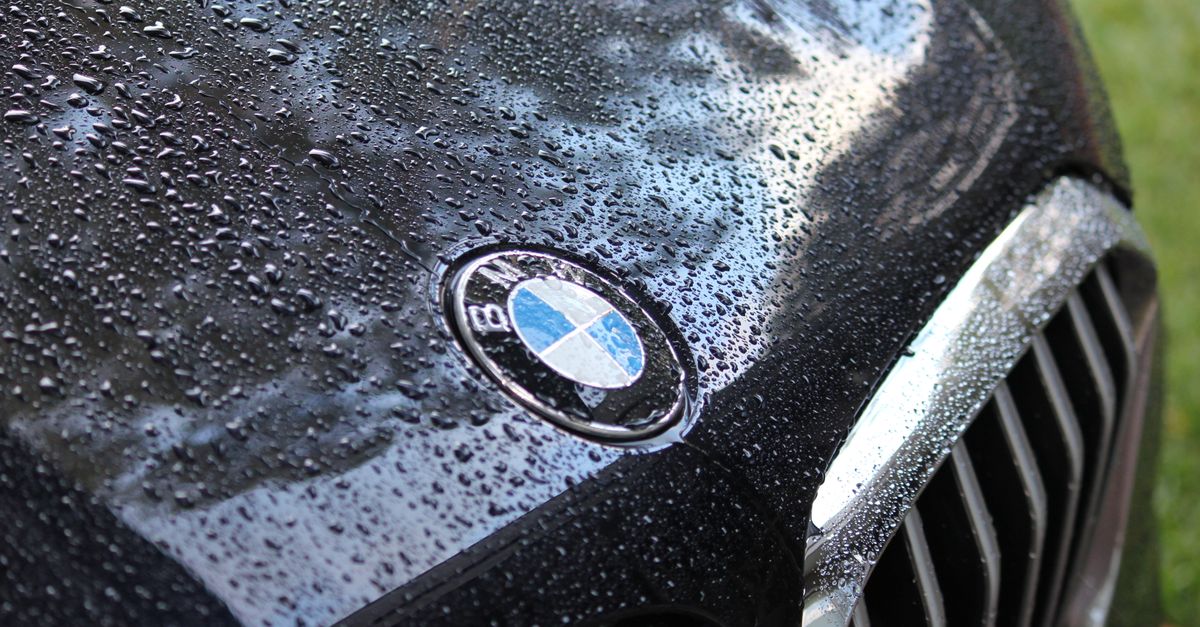
Rainwater sitting in tight, round beads across the glossy black hood of a car next to its chrome grille

First, What "Beading" Actually Tells You

A few terms get thrown around a lot with ceramic coatings, so here they are in plain language:

  • Hydrophobic just means the surface repels water. A clean, healthy coating is very slick at a microscopic level, so water pulls itself into round drops instead of spreading out.
  • Beading is what that looks like when the car is sitting still: tight, tall, round drops.
  • Sheeting is what it looks like when water is moving: pour a gentle stream of water over a healthy coated panel and it slides off in one sheet, taking most of the water with it.

Beading is a quick visual health check, but it measures the very top of the surface. The moment anything settles on that top layer — traffic film, mineral residue, sap, pollen, leaf stain — the water sees that material instead of the coating. That's why a two-year-old coating can bead like new right after a proper wash and look "dead" three weeks later. The coating didn't change; the surface on top of it did.

It's also why beading is a little less dramatic by year two than it was the day the car left the shop. That's normal and expected. What you're protecting is the coating's slickness and chemical resistance, and a clean coating with slightly smaller beads is doing its job.

Why Fall Is So Hard on Beading

Spring has pollen and winter has salt, but fall in southern New Hampshire and the Merrimack Valley throws three things at a coated car at once, and it throws them every day.

Road Film From Wet Roads

Every wet commute throws up a fine spray of oily grime, tire residue, and brake dust. It dries into a gray film, heaviest on the lower doors, rear bumper, and tailgate. It's thin enough that you barely see it and thick enough to kill beading.

Leaves and Leaf Stain

Wet leaves stick flat to the hood, roof, and windshield and hold moisture against the finish. They also release tannins — the brown compounds that make puddles under a maple look like tea — which can leave stains and leaf-shaped outlines, especially on white and silver cars.

Rain Spots

Rain isn't pure water by the time it lands. It picks up dust and pollutants on the way down, and beads on a coated car are exactly the right shape to dry into small round mineral spots. Layer enough of them and they form a crust the next rain can't see through.

Then there's timing. Fall is when the days get short, the weekends get busy, and people start washing less just as the car needs it more. A coated car that goes a month without a wash in October isn't damaged, but it's carrying a layer of film that makes the coating look like it failed — and that film is exactly what the first brine of the season bonds to.

The Five-Minute Test: Buried or Worn?

Before you buy anything or book anything, find out which problem you have. You need a hose or spray bottle, a clean car, and a few minutes.

  1. Wash the car properly first. Follow the steps in the next section. You can't judge a coating through a month of road film.
  2. Mist water on three places: the middle of the hood, the roof, and a lower door. The hood and roof take the most sun and the most wash contact; the lower door takes the most road spray.
  3. Compare them. If all three bead reasonably well now, the coating was just covered. You're done — keep washing on schedule.
  4. If one area still sheets flat or looks blotchy, feel it through a thin sandwich bag. Gritty or rough means bonded contamination (iron particles, fallout, sap residue) that a normal wash doesn't remove. That's a decontamination job, covered below.
  5. If it's smooth as glass and still won't bead, the coating may be thinning in that spot. That's most common on hoods and roofs of daily drivers, and on cars that spent time going through brush washes. It's worth an inspection rather than a guess.

In our experience, most cars stop at step three or four. The coating is fine; it just needed a real wash, or a real wash plus decontamination.

How to Wash a Ceramic-Coated Car in the Fall, Step by Step

This is the routine we'd give any coated-car owner in Derry, Salem, or Nashua for September through November. None of it requires special equipment beyond two buckets, a hose, and some good microfiber.

  1. Get the leaves off dry, before any water. Pick them off by hand or use a leaf blower. Never wipe or brush a wet leaf across the paint — there's grit trapped under it. Then open the hood and clear the cowl, the plastic gutter at the base of the windshield, and check the sunroof and door-jamb drains. Clogged drains in fall are how water ends up in cabins.
  2. Do the wheels first, with separate tools. Wheels carry brake dust and road grime you don't want anywhere near your paint mitt. Use their own bucket, brush, and towel.
  3. Rinse the whole car thoroughly. Top to bottom, taking your time on the lower panels. On a coated car, a good rinse removes a surprising amount of the loose dirt before you ever touch the paint. If you have a foam cannon or pump sprayer, a pH-neutral foam pre-soak for a few minutes helps loosen the road film.
  4. Hand-wash with the two-bucket method. One bucket of pH-neutral car shampoo, one bucket of plain rinse water. Load the mitt, wash one panel in straight lines, rinse the mitt in the plain bucket, then reload. Work from the roof down and save the lower doors and bumpers for last, because that's where the grit lives.
  5. Pick the right soap. "pH-neutral" means it's not acidic or alkaline enough to attack the coating. Avoid "wash and wax" or gloss-enhancing soaps; they leave a layer on top of the coating that changes how water behaves. Coating-specific shampoos are fine and often the best choice.
  6. Final rinse with an open hose. Take the nozzle off and let the water flow gently over each panel. A healthy coating sheets most of it off for you, which means less drying and fewer spots.
  7. Dry everything, completely. Use a leaf blower or a large, plush drying towel laid flat and pulled across the panel, not scrubbed. Get the mirrors, door handles, and door jambs, where water hides and drips out later. As the mornings get colder, water left in jambs and around seals can freeze overnight.
  8. Top up every few washes, not every wash. A coating-safe silica (SiO2) spray topper, ideally the maintenance product your installer recommends, adds back slickness and helps beading. Mist it on a clean, dry, cool panel and buff it off. Once a month in fall is plenty.
Cold-Weather Note

Coatings don't mind the cold, but washing on a freezing morning is hard on everything else — water freezes in locks, on rubber seals, and on the ground under you. On colder days in November, wash in the warmest part of the afternoon, keep a bucket of warm (not hot) water for rinsing your mitt, and dry the car fully before it sits overnight.

What to Keep Away From a Coated Car

Most coatings that actually wear out early don't die from weather. They die from washing habits. These are the ones we see most often:

  • Brush and soft-cloth tunnel washes. The cloth carries grit from every car ahead of you. It mars the coating and, over time, the paint under it. This is the single fastest way to lose beading on a hood.
  • Touchless washes as a weekly habit. They're the safer fallback when you can't hand-wash, but they use strong pre-soak chemicals to make up for not touching the car. Once in a while is fine; every week wears down the coating's slickness faster.
  • Dish soap and household degreasers. They're made to strip grease, and they don't know the difference between grease and your protection.
  • Wax or "wash and wax." Wax on top of a coating covers it with something weaker that lasts weeks. The car beads like wax, not like the coating you paid for.
  • Dry-wiping a dusty or leafy car. A quick detailer and a towel on a dirty panel is sandpaper with good intentions. If there's grit on it, rinse first.
  • Polishing or clay bars "just because." Polish removes material, and aggressive clay can mar the coating. Save those for when the five-minute test says you need them, and let someone who knows the coating do it.

Leaves and Rain: The Habits Between Washes

The wash does the heavy lifting, but what you do in the days between washes decides how much work the wash has to do.

Wet leaves

  • Treat a leaf-covered car as a two-day job. Dry leaves blow off on their own. Wet leaves pressed onto the hood after a storm are the ones that stain. Lift them off within a day or two.
  • Park away from maples and oaks during a storm when you have the choice. Those are the trees that drop the most tannin-heavy leaves, and a rainy night under one can cover the car.
  • If you see a brown outline after washing, it usually comes out with a second wash or a coating-safe quick detailer if it's fresh. If it's been there for weeks and won't budge, don't scrub harder — that's the point to have it looked at.

Rain

  • Don't count a rainstorm as a rinse. A car that's been rained on for two weeks straight is dirtier, not cleaner.
  • After a heavy storm, rinse and dry if you can, or at least wipe the hood, roof, and glass with a coating-safe quick detailer and a clean microfiber once the car is out of the rain. That stops the beads from drying into spots.
  • Watch for spots that won't wipe off. Fresh rain spots come off easily. Spots that have baked on for weeks can leave rings in the coating, and in bad cases the paint below. If they're already there, our guide to why paint looks swirled, hazy, or spotted explains which spots wash off and which need polishing.
What you see What it usually is What to do
Water sheets flat everywhere Road film covering the coating Proper two-bucket wash with pH-neutral shampoo
Still flat after a good wash Bonded iron, fallout, or mineral residue Decontamination wash, then a coating-safe topper
Brown leaf-shaped outline Tannin stain from wet leaves Rewash or quick detailer if fresh; inspection if weeks old
Small white rings after rain Mineral spots from beads that dried Coating-safe water spot remover; dry the car after storms
Hood won't bead, doors still do Possible coating wear on high-exposure panels Professional inspection before buying anything

How to Bring Faded Beading Back

If the five-minute test pointed to bonded contamination, this is the fix. It's the same thing we do when a coated car comes in looking tired, and most owners can do the basic version at home once a season.

  1. Start with a full wash, exactly as above.
  2. Apply an iron and fallout remover to the wet or dry panels, following the label. On a car that's been through a summer of brake dust, you'll often see it turn purple as it dissolves embedded iron particles. Rinse it off thoroughly before it dries.
  3. Deal with mineral spots with a dedicated, coating-safe water spot remover, one panel at a time, then rinse.
  4. Dry the car and check the beading again. In most cases, it's back.
  5. Finish with a coating-safe topper if it's still a little weaker than you'd like.

Check your coating's care instructions before you use any decontamination product — most modern coatings handle them fine, but the installer's guidance is the one that matters for your warranty. Coating warranties typically come with care expectations, and keeping a simple record of when you washed and decontaminated the car is worth the two minutes.

If you do all of that and a panel still won't bead, the honest answer is that the coating may be worn there. That doesn't automatically mean a full recoat. Sometimes a professional decontamination and a maintenance layer is enough; sometimes a panel needs light correction and a fresh coat; occasionally a car that spent years in brush washes needs the full process again. The only way to know is to look at it under proper lighting. Our ceramic coating page lays out what each coating package includes, including the annual inspection that comes with our 10-year coating.

A Fall Timeline for Coated Cars in New Hampshire

Fall is short here, and it ends with brine on the roads. Here's how to pace it.

  • Late September: Do a full wash and decontamination to clear the summer's bugs, sap, and brake dust. Add a topper. Check your wiper blades and clear the cowl before the leaves start dropping in earnest.
  • October: Peak leaf drop and the rainiest stretch. Wash every one to two weeks and clear wet leaves within a day or two. If something looks off, this is the month to have it inspected, while the weather still allows outdoor washing and before the shop calendar fills with winter prep.
  • Early November: One last thorough wash on a mild afternoon, decontamination if the beading has slipped, and a topper so the coating goes into winter clean. Brine can go down before the first real snow, so don't wait for the forecast. Our fall checklist for getting ahead of salt season covers the rest of the car — wheels, glass, trim, and interior.
  • December through March: Every two weeks at minimum, plus a rinse after major storms. A coated car sheds salt far more easily than bare paint, but only if the salt actually gets rinsed off.

If you'd rather not be the one standing in the driveway with two buckets in November, that's a reasonable choice too. Our Avid Club maintenance plans include coating-safe washes for coated cars, with a Reserve Ceramic tier built around System X coating maintenance. Either way, the coating only does its job if someone keeps it clean.

Frequently Asked Questions

Why did my ceramic coating stop beading water?
In most cases the coating is still there but covered. Rain, wet roads, and falling leaves leave a thin film of traffic grime, mineral deposits, and organic residue on top of the coating, and water reacts to that film instead of the slick coating underneath. A thorough pH-neutral wash, followed by an iron and fallout remover if needed, usually brings the beading back. If it doesn't return after a proper decontamination wash, the coating may be worn on the highest-wear panels, which is worth having inspected.
How often should I wash a ceramic-coated car in the fall?
Every one to two weeks through leaf season and the rainy stretch of October and November, and within a day or two of a storm that leaves wet leaves stuck to the car. Once brine goes down on the roads, every two weeks is the minimum. A coating makes each wash faster and safer; it doesn't make washing optional.
Is it safe to take a ceramic-coated car through an automatic car wash?
Avoid brush and soft-cloth tunnel washes; the wash media carries grit from every car ahead of you and can mar both the coating and the paint. A touchless wash is the safer fallback when a hand wash isn't possible, but touchless washes rely on strong pre-soak chemicals to make up for the lack of contact, and using them every week can wear down a coating's slickness faster. Treat touchless as an occasional backup, not the routine.
Can wet leaves damage a ceramic-coated car?
They can leave a mark if they sit long enough. Wet leaves hold moisture against the surface and release tannins, the brown compounds that make leaf water look like tea, which can leave a stain or a leaf-shaped outline, most visibly on white and silver cars. On a coated car those marks usually wash out if the leaves come off within a few days. Left for weeks, they can mark the coating itself. Lift leaves off by hand or with a blower rather than wiping them across the paint.
Should I put wax on my ceramic coating to get the beading back?
No. Wax sits on top of the coating, hides the coating's own water behavior, and wears off within weeks. If beading has faded, start with a proper wash and decontamination. If it's still weaker than you'd like after that, use a coating-safe silica spray topper, ideally the maintenance product your installer recommends, which adds slickness without masking the coating.
Does rain wash a ceramic-coated car?
Not really. Rain moves loose dust around, but it also carries airborne pollutants and road spray, and on a coated car it forms round beads that can dry into mineral spots. A car that's been rained on for two weeks is usually dirtier, not cleaner, with a film that dulls the beading. A quick rinse and dry after a heavy storm, or a coating-safe quick detailer on the spots, keeps that from building up.

The Bottom Line

A ceramic coating is an investment in keeping your paint in good shape for years, and like most investments it rewards a little steady attention. Fall is when that attention matters most: wet leaves, gray rain, and road film pile onto the coating week after week, and the beading that made it feel like magic in July quietly disappears.

It's almost never gone for good. Wash every week or two with the right soap, get wet leaves off fast, dry the car every time, and decontaminate when the beading fades. Do that through November and the coating goes into salt season clean, slick, and ready to do what you paid for.

And if you've done all of it and a panel still won't bead, bring it by our shop in Derry. A walk-around under proper lighting takes a few minutes, and more often than not the answer is a good decontamination rather than anything bigger.

"The coating didn't quit. It's just wearing October on top of it."

— The Avid Auto Standard

Beading Gone Quiet?

Bring your coated car by our Derry shop for a quick look. We'll tell you whether it needs a wash, a decontamination, or more — and quote you honestly either way.

Request a Quote

About Avid Auto Detailing

Arthur and the Avid Auto Team install and maintain ceramic coatings from a climate-controlled shop at 15 Central St in Derry, NH, serving drivers across Derry, Londonderry, Salem, Nashua, Manchester, and the Merrimack Valley. As an authorized System X installer, we offer ceramic coating packages with up to 10 years of protection, plus interior, exterior, and full service details and paint correction.

Fully Insured — a small team that would rather show you how to keep a coating working than sell you a new one.

"Detail Obsessed – Eco-Smart Products"