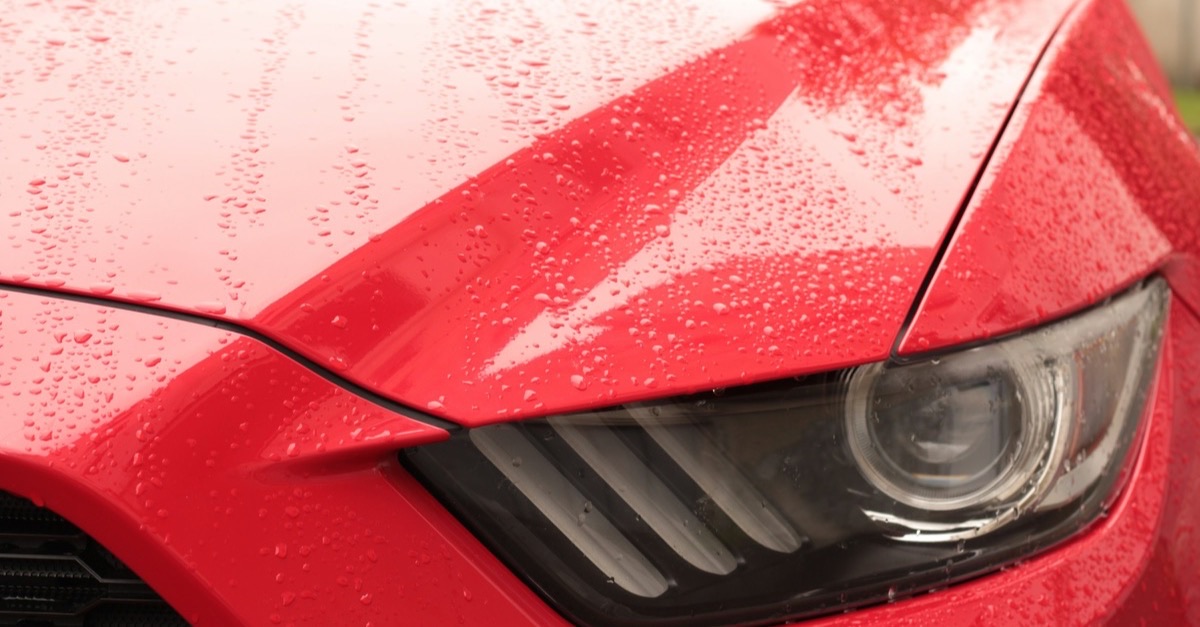
If you picked up a new car this fall, its paint is in the best shape it will ever be in. No salt, no sand pitting on the bumper, no automatic-wash swirls, no rock chips from a winter of I-93. That's exactly why the next few weeks matter more than any others. Protection works best on paint that hasn't been damaged yet, and in southern New Hampshire the window closes the morning the first brine goes down on Route 111.
The trouble is that “paint protection” covers very different products at very different prices, and the first offer usually comes from the finance office while you're signing paperwork. This guide lays out the real options in plain English, what each one stops and doesn't, how much of the car to cover, what it typically costs, and how to time it — so you can choose once, on your own terms, before the first storm.
The Short Answer
- Sealant or wax: the budget option. Looks great, but lasts weeks to a few months and is usually worn thin by midwinter.
- Ceramic coating: the best all-round choice for most new cars you plan to keep. Resists salt, UV, and etching for years and makes every winter wash easier. It does not stop rock chips.
- Paint protection film (PPF): a clear urethane film that physically absorbs rock chips. Usually applied to the front of the car, where the damage happens.
- Film on the front, coating on the rest: the most complete setup, for highway commuters and cars you'll keep for many years.
- Timing: book within the first few weeks of ownership, ideally by early November, so the protection is on and cured before salt season.