Ceramic Coating

Ceramic Coatings: How to Choose the Right One (and What to Look For)

9H, 80% SiO2, graphene, “10-year protection” — how to see past the label and pick a coating, an installer, and a warranty that will actually hold up on your car.

↓

Shop for ceramic coatings for more than ten minutes and every option starts to sound the same. Every bottle is 9H. Every kit promises years of protection. Every shop is “certified.” Prices run from a $20 spray at the parts store to a few thousand dollars at a high-end studio, and it’s hard to tell what the difference actually buys you.

We apply ceramic coatings every week at our shop in Derry, NH, and we get asked the same question constantly: which one should I get? The honest answer is that the product name on the bottle is only one of five things that decide how a coating performs. This guide walks through all five, so you can compare coatings and quotes on the things that matter and ignore the ones that don’t.

The Short Answer

  • Know the category: a spray topper, a DIY kit, and an installer-only professional coating are different products with different lifespans, even when they all say “ceramic.”
  • Ignore the hype numbers: 9H and SiO2 percentages appear on nearly every label and tell you very little about how long a coating will last.
  • Match the rating to your ownership plan: a 10-year coating on a three-year lease is money you won’t get back.
  • Judge the installer: prep, paint correction, and an indoor cure decide most of the result.
  • Read the warranty: who backs it, what it covers, what it requires from you, and whether it transfers.
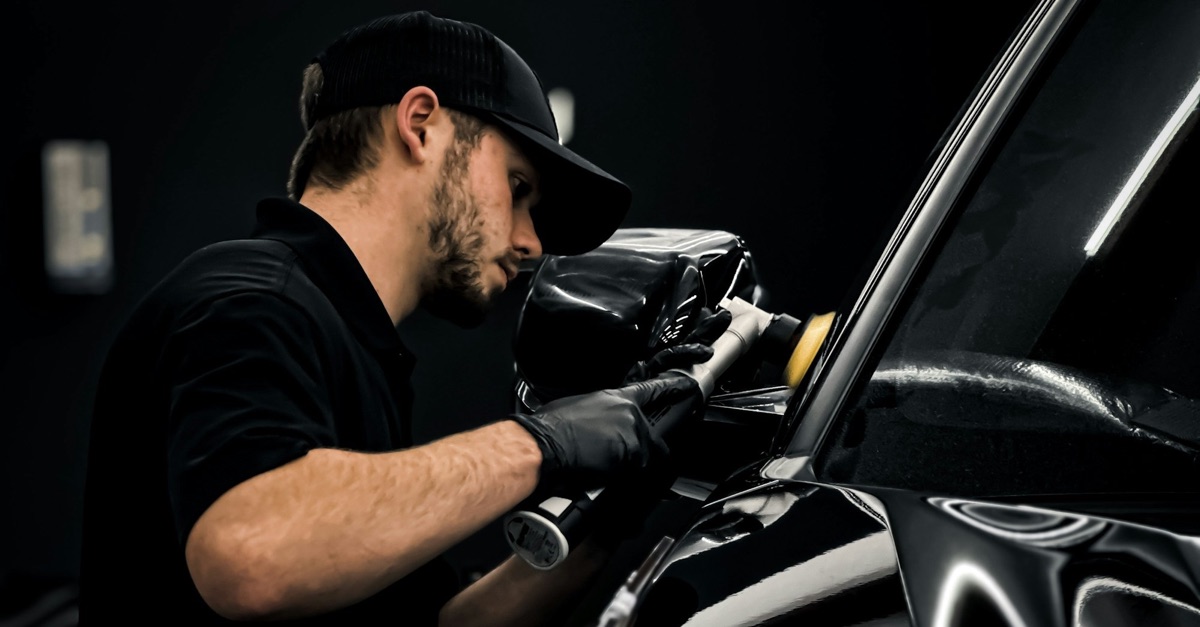
Detailer in black gloves machine-polishing the side mirror of a glossy black car

First, Be Clear on What You’re Buying It For

Every good coating decision starts with the job you need it to do. A professional ceramic coating is a liquid that bonds to your clear coat and cures into a thin, hard, slick layer. Done properly, it:

  • Resists chemical attack from road salt and brine, bird droppings, tree sap, and bug splatter, buying you time to wash them off before they etch.
  • Slows UV fading on paint that sits outside through long New Hampshire summers.
  • Makes washing faster and gentler, because dirt and salt film have less to grip and rinse off more easily.
  • Adds gloss and depth to paint that has been properly prepared underneath.

What it won’t do is stop a rock. A coating is far too thin to absorb an impact, so stone chips on the hood and bumper, door dings, and key scratches are the job of paint protection film, not a coating. If chips are your main worry, no ceramic coating on the market solves that, whatever the label says. If salt, sun, and the weekly wash are the worry, a coating is exactly the right tool and the rest of this guide is about choosing a good one.

Three Kinds of “Ceramic” on the Market

The word “ceramic” is printed on everything from quick detailers to multi-layer professional systems. Sorting a product into the right category is the fastest way to set realistic expectations.

Type Who applies it Typical lifespan Prep involved Warranty
Spray “ceramic” sealants and toppers Anyone, spray on and wipe off after a wash. Weeks to a few months. Usually just a wash. None in any meaningful sense.
Consumer DIY coating kits The owner, by hand, panel by panel. Commonly marketed at around one to a few years, if the prep is right. Wash, decontamination, clay, and ideally a machine polish — all on you. Rarely registered to the car; product-only at best.
Professional installer-only coatings A trained, accredited installer in a controlled shop. Rated from about 2 to 10 years depending on the product tier. Full decontamination and paint correction before application. Manufacturer warranty registered to the vehicle, with terms that follow the package.

None of these is a bad product. Sprays are excellent maintenance toppers on top of a real coating, and a carefully applied DIY kit can look great. The mistake is paying for one and expecting the results of another. We go deeper on the first category in ceramic coating vs. ceramic sealant.

Reading the Label: Claims That Matter and Claims That Don’t

Coating marketing leans on a handful of numbers and buzzwords. Here’s how much weight each one deserves.

“9H hardness”

9H is the hardest grade on the pencil hardness scale, a test where pencils of increasing hardness are pushed across a cured film to see which one leaves a mark. It’s a real test, but nearly every coating now claims 9H, so it no longer separates good products from average ones. More importantly, it doesn’t mean scratch-proof. A 9H coating still swirls under a dirty brush and still chips when a stone hits it.

“80% SiO2” and other percentages

Silicon dioxide is the backbone of most ceramic coatings, so it’s tempting to assume more is better. But there’s no standard way these percentages are measured or reported, and a coating’s durability depends on its whole formula and how it cures, not one ingredient. Treat a big number on the bottle as marketing, not a spec.

Graphene, “nano,” and the next new ingredient

Graphene-infused coatings are a real product category, and some perform very well. But a new ingredient doesn’t change the basic rules: a coating still needs clean, corrected paint, a controlled cure, and proper care. Judge a graphene coating the same way you’d judge any other — on its durability rating, its warranty, and who’s applying it.

“Permanent”

A coating is semi-permanent at best. It doesn’t wash off like wax, but it wears gradually with washing, weather, and time, and it can be polished off. Anyone promising a coating that lasts forever with no care is overselling.

The claims that do matter

  • A named product from an established manufacturer, so you know exactly what’s going on your car.
  • A durability rating tied to a written warranty, not just a number on a box.
  • Installer-only availability for the top tiers, which means the manufacturer controls who applies them.
  • Separate products for separate surfaces — paint, wheels, glass, trim, and interior each have different demands.

Match the Durability Rating to How Long You’ll Keep the Car

Professional coatings come in tiers, and the biggest price difference between them is how long they’re rated to last. The right tier is the one that lines up with your ownership plan, not the most expensive one on the menu.

Leasing or selling soon

Handing the car back in two or three years? A 2-year coating gives you easy winter washing and protects the finish through the lease without paying for protection you’ll never use.

Keeping it five or six years

A 6-year coating lines up with a typical loan and ownership period. Multi-layer application adds film build, gloss, and durability for several more New Hampshire winters.

Keeping it for the long haul

A 10-year coating makes sense for a car you plan to own for many years, or one you want to hand on with protection still in place. Look for a transferable warranty at this tier.

That’s exactly how our System X ceramic coating packages are built: 2-, 6-, and 10-year options starting at $1,099, $1,399, and $1,599 for a coupe or sedan, each including decontamination and a one-step paint correction. The 10-year package adds an annual inspection and a transferable warranty.

One caution about ratings: they assume the coating is cared for. A car that sits outside through salt season and goes through a brush tunnel every week will wear any coating faster than a garaged car washed by hand. If that’s your routine, either change the routine or don’t pay extra for years you won’t get.

The Installer Matters as Much as the Bottle

The same professional coating can last its full rating on one car and disappoint on another. The difference is almost always in what happens before and after the coating goes on. When you’re comparing shops, look at four things.

1. Preparation

A coating locks in whatever is underneath it. Rail dust, bonded fallout, old wax, and swirl marks all get sealed in for years if they’re not removed first. Proper prep means a careful wash, iron decontamination, a clay treatment, and a panel wipe so the coating bonds to bare clear coat. Our ceramic coating paint prep checklist walks through each stage and why it’s there.

2. Paint correction

Coating over swirled, hazy paint just gives you very glossy, very durable swirls. Ask what level of correction is included and how the shop decides whether your paint needs more. Most cars come out beautifully with a one-step polish; heavily marred or neglected paint may need more, and a good installer will tell you that before starting rather than after.

3. Environment and cure

Coatings need a clean, dust-free, temperature-controlled space to level and cure. That matters more than usual in southern New Hampshire, where fall pollen, cold mornings, and winter damp all work against a driveway application. Ask where the car will be coated and how long it stays inside afterward.

4. Certification and accountability

Manufacturers of installer-only coatings train and accredit the shops that apply them. Certification is what lets a shop register a manufacturer-backed warranty to your car, and it means the shop is answerable to the brand for how the work is done. Ask which product line the shop is certified for, and whether you’ll get registration paperwork in your name.

Warranty Fine Print, Decoded

A long warranty is only worth something if you know what it covers. Before you pay, get answers to these:

  • Who backs it? A warranty registered with the coating manufacturer carries more weight than a promise written on a shop invoice.
  • What does it cover? Coating warranties generally relate to the coating itself holding up as rated. They don’t cover chips, dings, scratches, collision damage, or neglect.
  • What does it require from you? Many require periodic inspections or a maintenance visit and a reasonable wash routine. Miss them and the coverage can lapse.
  • Does it transfer? If you might sell the car while the coating is still within its rating, a transferable warranty can be a real selling point.
  • Is the work documented? Records in the vehicle’s history help with both warranty claims and resale. We record every coating with Carfax.
Get It in Writing

The exact coverage depends on the product, the package, and how the car is maintained. Any reputable installer should confirm the specific terms for your coating in writing before work begins. If a shop can’t tell you what the warranty covers, assume it covers very little.

Beyond the Paint: Wheels, Glass, Trim, Film, and Matte Finishes

Paint is only part of the car, and the surfaces around it have different needs. When you compare quotes, check what’s actually included.

  • Wheels and calipers take brake dust, heat, and salt all winter. Wheel coatings are formulated to handle that heat, and they let brake dust rinse off instead of baking on.
  • Glass coatings make rain sheet off the windshield and make ice and bug residue easier to clear. They’re a separate product from paint coatings.
  • Plastic trim and badges fade and chalk in the sun. Some coatings are rated for trim; others aren’t.
  • Paint protection film can be coated too, so a car with film on the front washes and beads the same all the way around.
  • Matte and satin paint or film needs a coating made for a flat finish. A gloss coating can change the look, so always tell the installer about a matte finish before you book.
  • Interiors have their own coatings for leather, vinyl, plastic, and fabric. Our interior ceramic coating packages start at $199.

Red Flags When Comparing Coating Quotes

Most shops are honest. A few quotes, though, should make you slow down:

  • No product name. “We use a ceramic” isn’t an answer. You should know the brand and the specific coating.
  • No paint correction in the price on a car with visible swirls, or a correction step that’s never explained.
  • A big durability number with no written warranty behind it.
  • Applied in a driveway or open bay in cold or damp weather, with no indoor cure time.
  • Same-hour turnaround on a multi-year coating. Real prep and correction take most of a day.
  • “Never wash it again” or “scratch-proof” promises. A coated car still needs gentle, regular washing, and it still scratches.
  • A price far below every other quote. The savings usually come out of the prep.

Questions to Ask Before You Book

Take this list with you, or keep it on your phone when you call around. The answers make any two coating quotes easy to compare.

  1. Which coating, exactly, and from which manufacturer?
  2. Is your shop certified to install it, and will the warranty be registered to my car?
  3. How long is it rated for, and what does the warranty cover and require from me?
  4. What prep is included? Wash, iron decontamination, clay, and panel wipe should all be on the list.
  5. How much paint correction is included, and what happens if my paint needs more?
  6. Is it one layer or multiple? And which surfaces are covered: paint only, or wheels, glass, and trim too?
  7. Where will it be applied and cured, and how long will you have the car?
  8. What aftercare do you recommend for the first few weeks and for the long term?

That last answer matters more than people expect. A coating’s first week is when it’s most vulnerable, and the long-term wash routine decides whether it reaches its rating. Our year-round ceramic coating maintenance schedule covers both.

How We Help You Choose at Our Derry Shop

At Avid Auto Detailing we’re an authorized System X installer, and every coating is applied and cured inside our climate-controlled shop at 15 Central St in Derry. We start by looking at your paint under shop lighting with you, then ask the questions that actually decide the right coating: how long you’ll keep the car, where it’s parked, how it’s washed, and whether chips or chemicals are the bigger worry. If one-step correction won’t get your paint where you want it, we tell you and quote it before any polishing starts.

Drivers bring their cars to us from Manchester, Nashua, Londonderry, and Salem, and from across the line in Lowell, Andover, and Methuen. Whichever package you choose, you get the price and the warranty terms in writing before we begin — and if the honest answer for your car is a shorter coating, that’s the one we’ll recommend.

Frequently Asked Questions

What is the best ceramic coating for a car?
There is no single best bottle. The best ceramic coating for your car is a professional-grade coating from an established manufacturer, rated for about as long as you plan to keep the car, applied by a certified installer over properly decontaminated and polished paint, and backed by a warranty registered with the manufacturer. A top-tier product applied badly will underperform a mid-tier product applied well.
Does a higher 9H rating or SiO2 percentage mean a better coating?
Not on its own. 9H is the hardest grade on a pencil hardness test, and so many coatings claim it that it no longer separates good products from average ones. It also does not mean the coating is scratch-proof or chip-proof. SiO2 percentages are not measured or reported in any standard way, so a bigger number on the label is not a reliable sign of a longer-lasting coating. Durability rating, warranty terms, and the installer tell you far more.
Are DIY ceramic coating kits worth it compared to a professional coating?
They can be, if you are prepared to do the prep yourself: a thorough wash, iron decontamination, clay, and machine polishing, all indoors and out of the weather. Most disappointing DIY results come from skipping the polish or applying in a cold, damp, or dusty space. Consumer kits are also generally rated for shorter lifespans than installer-only coatings and rarely come with a manufacturer warranty registered to the car.
How long do ceramic coatings really last?
Professional coatings are rated anywhere from about two to ten years, but the rating assumes proper care. A car that is parked outside, driven through New Hampshire salt season, and washed in brush tunnels will wear a coating faster than a garaged car washed by hand. Gentle washing, getting bird droppings off quickly, and any inspections the warranty requires are what let a coating reach its rated life.
What does a ceramic coating warranty actually cover?
It depends on the product and the package, so read it before you pay. Coating warranties generally relate to the coating itself holding up as rated when it is maintained as required. They do not cover rock chips, door dings, scratches, or damage from accidents or harsh washing. Ask who backs the warranty, whether it is registered to your vehicle, what maintenance or inspections it requires, and whether it transfers if you sell the car.
Should I coat my wheels, glass, and paint protection film too?
Often, yes. Wheels take the worst of brake dust and road salt, so a coating made for the heat they see keeps them far easier to clean. Glass coatings help rain sheet off the windshield. Paint protection film can be coated so the whole car beads and washes the same. Matte or satin paint and matte film need a coating made specifically for a flat finish, so tell the installer before you book.

The Bottom Line

Choosing between ceramic coatings gets much simpler once you stop comparing labels. Decide what you need protection from, pick a professional coating rated for about as long as you’ll keep the car, and then put most of your attention on the installer: the prep, the correction, the cure, and the warranty they put in writing.

Get those right and almost any quality coating will look superb and last its full rating. Get them wrong and even the most expensive bottle won’t save it.

"The coating is the last step, not the first. What we do to the paint before it goes on is what you’re really paying for."

— The Avid Auto Standard

Find the Right Coating for Your Car

Bring your car to our Derry shop. We’ll inspect the paint with you, recommend a System X package that fits how you drive and how long you’ll keep it, and give you the price and warranty terms in writing before any work starts.

Request a Quote

About Avid Auto Detailing

The Avid Auto Detailing team handles ceramic coating, paint protection film, paint correction, and full-service detailing from a climate-controlled shop at 15 Central St in Derry, NH, serving drivers across southern New Hampshire and the Merrimack Valley. As an authorized System X installer, we offer ceramic coating packages with up to 10 years of protection, alongside interior, exterior, and full service details.

Fully Insured — and every service is backed by our 100% satisfaction guarantee.

"Detail Obsessed – Eco-Smart Products"